Pine and larch: Estonian timber for bees
We use two native woods for different reasons. Both are local, both last outdoors, and neither is varnished where the bees live.
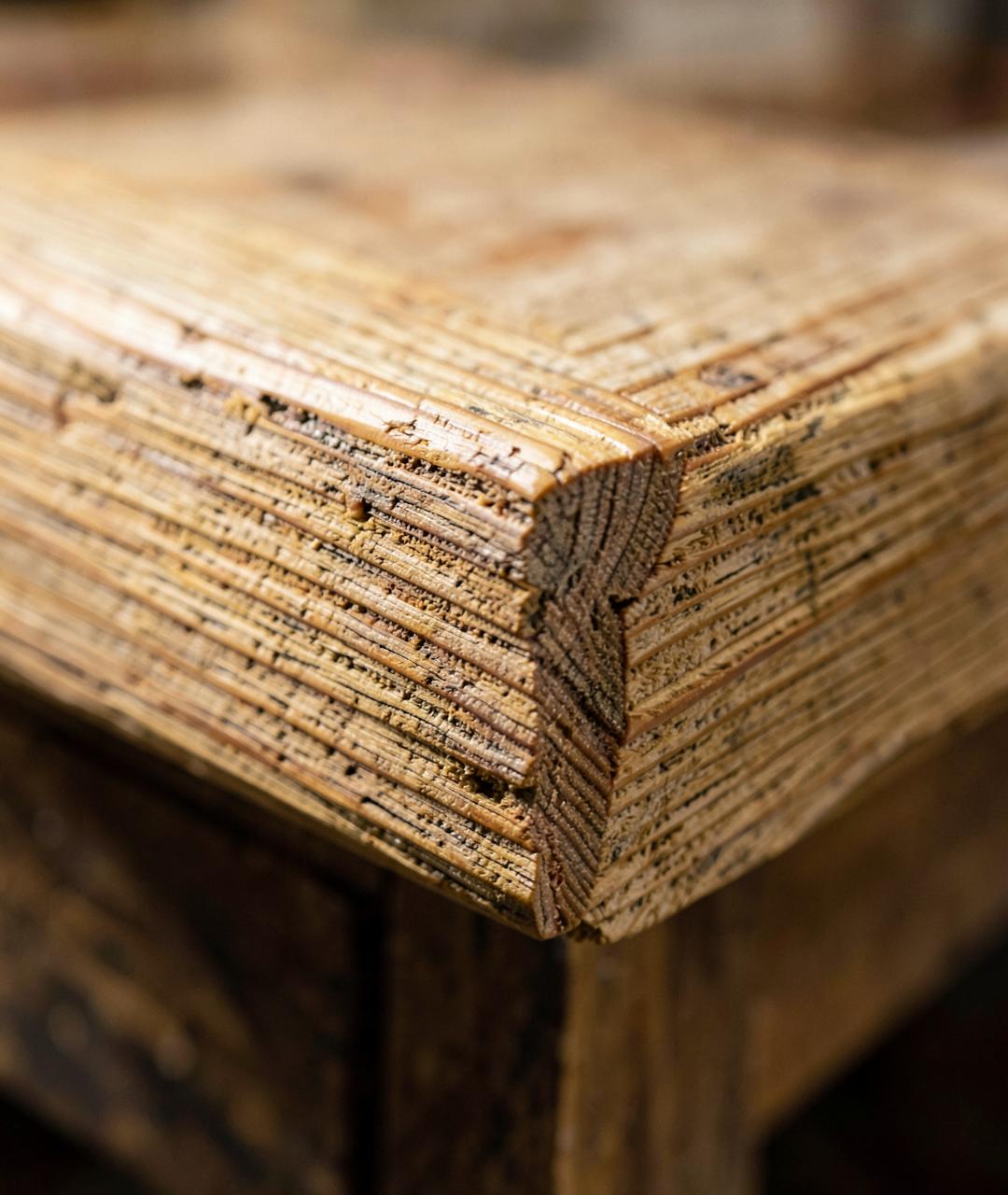
Baltic pine
Pine is light, stable, and easy to work. It takes joinery cleanly and holds paint or oil well. We use it for the carcasses, roof decks, and interior parts of the Koda and Koda Pikne. Left raw outside, it silvers to a soft grey in two or three seasons.
Siberian larch
Larch is harder and more resinous, which makes it slower to weather. It is the right choice for the flat-roof Maja and the double-chamber Maja Kaks, where cladding and roof edges take the worst of the rain. It is also beautiful charred, which is why the Maja gets the yakisugi treatment.
No finish inside
We never varnish, paint, or treat the inside of a hive. The bees coat the timber with propolis, a natural resin that seals gaps and regulates the atmosphere. A finished surface would only get in the way. Outside, two coats of raw linseed oil protect the timber while letting it breathe.